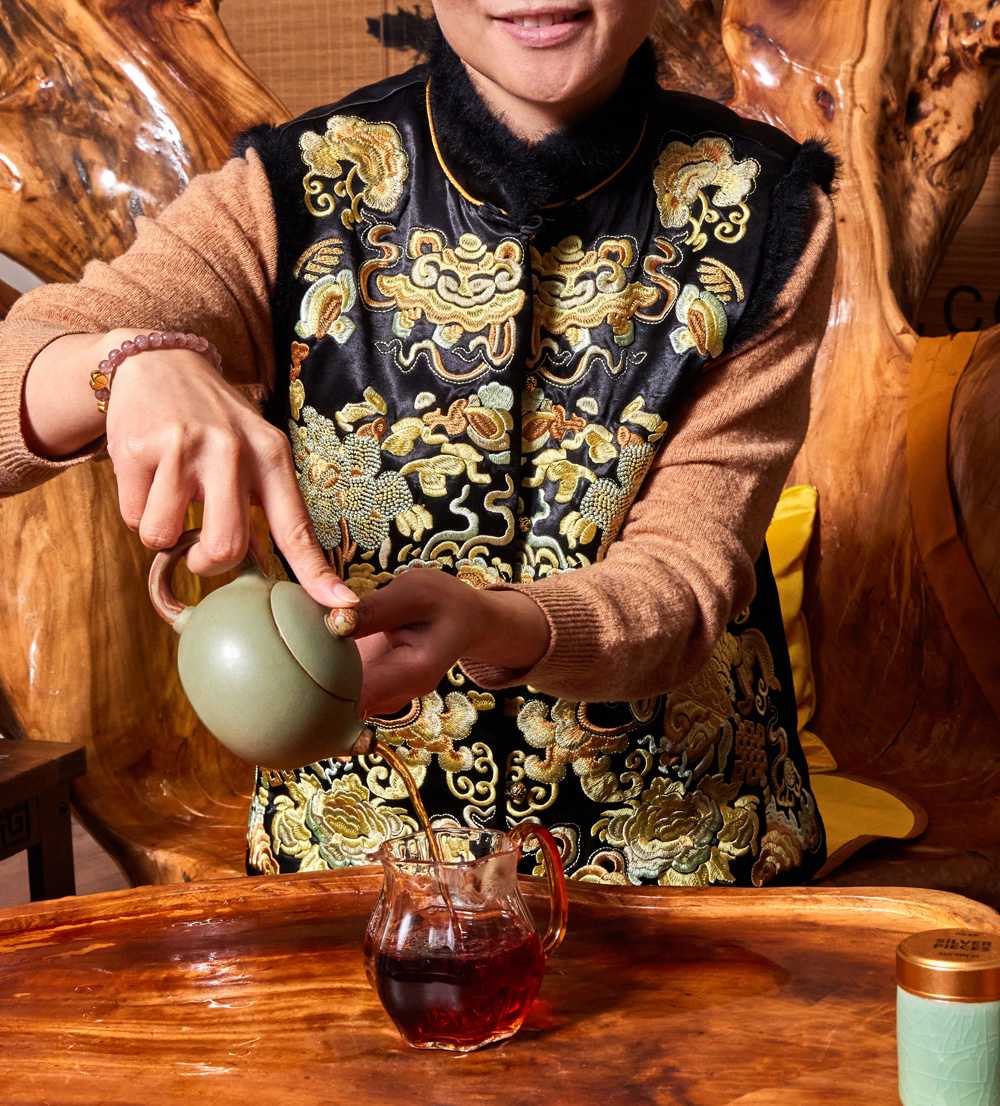
TikTok Is “Becoming Chinese.” A Chinese American Writer Explains Why That Feels Both Validating and Frustrating
This PureWow essay looks at the viral “becoming Chinese” trend through a personal lens. Instead of treating it like a harmless internet joke, the writer asks a more uncomfortable question: what does it mean when practices once mocked as too ethnic suddenly become cool once non Asians adopt them?
Quick takeaway: The article is not against people appreciating Chinese culture. Its main point is that cultural curiosity only feels meaningful when it comes with credit, context and actual respect for Chinese people, not just temporary excitement over a wellness trend.
What the Trend Is
According to the essay, TikTok users have been posting videos about drinking hot water, wearing house slippers, using gua sha, shopping at H Mart, trying jujubes and experimenting with herbal remedies while saying things like “day one of becoming Chinese” or “I am Chinese.” The writer points out that many of the people making these videos are not Chinese at all.
That setup is what makes the trend feel complicated instead of simply flattering. What is being celebrated is not a full culture, but a bundle of specific habits that can be copied, aestheticized and consumed.

The article argues that when a practice becomes trendy, people should still remember where it comes from and who has been judged for it before.
Why It Feels Good
The writer admits there is a positive side. She says the trend creates curiosity around Chinese culture, food, beauty and wellness in a way that feels more approachable than the usual stereotypes or geopolitical framing.
She also notes that some Asian creators and Asian owned brands have welcomed the interest and used it as a chance to share products, traditions and humor with a wider audience. That is part of why the article stays nuanced instead of dismissing the trend outright.
Why It Hurts
The darker side of the essay is about legitimacy and who gets rewarded for cultural behavior. The writer says she was bullied over her lunch when she was younger and stereotyped in school, so it stings to watch Westerners receive praise for things that once marked Asians as strange or too ethnic.
She gives a striking example involving the qipao, a traditional Chinese dress. Even as she wanted one, she worried that wearing it herself would make her seem “very Chinese” in a way that would not be seen as stylish or cool.
Most important idea: The article says culture should not need Western approval to become acceptable. When outsiders make a tradition trendy, that should not erase the people who carried it long before it was fashionable.
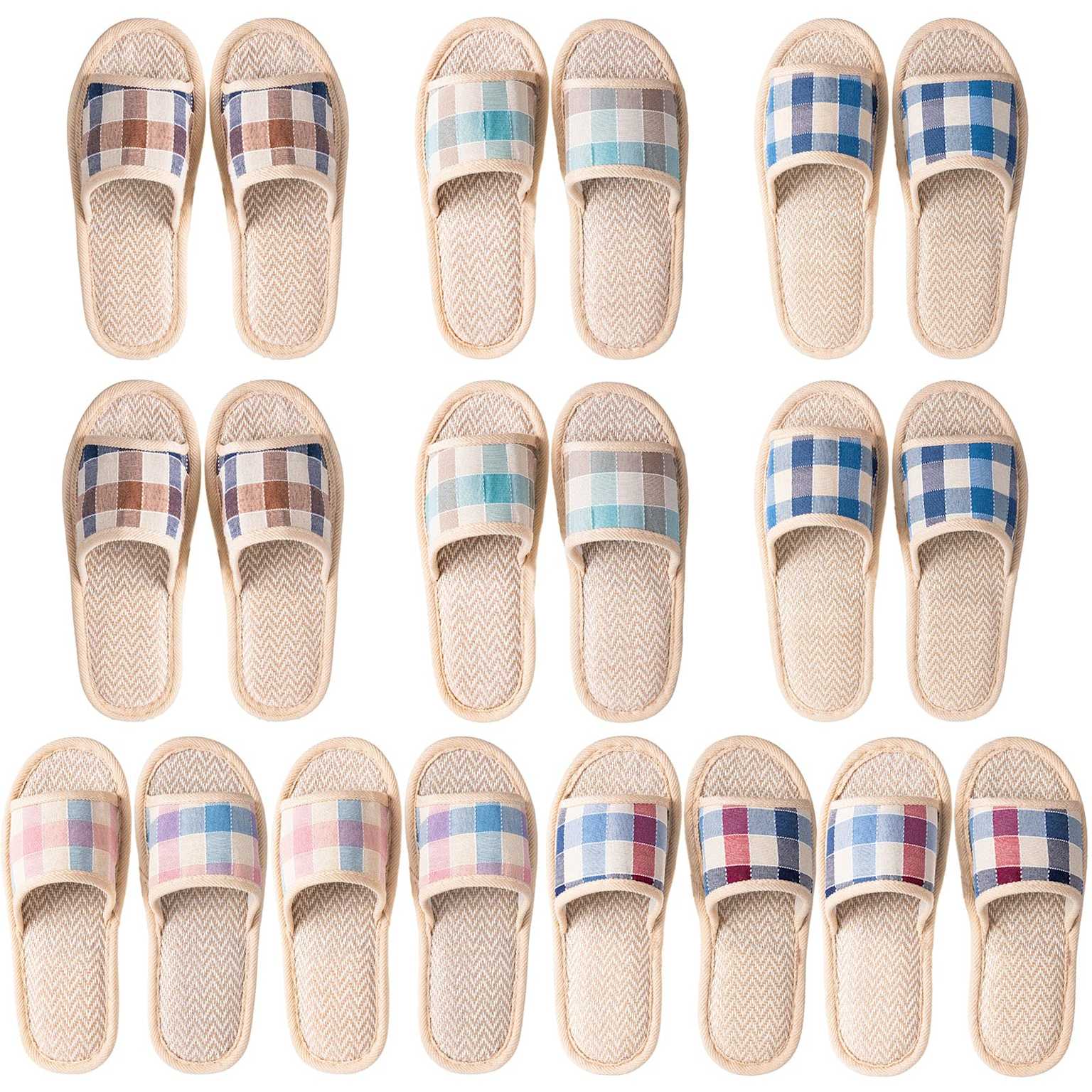
Small daily habits can look playful online, but the article reminds readers that those habits often carry a deeper cultural history.
Why the Essay Works
What makes this piece effective is that it does not flatten the issue into appreciation versus appropriation. It makes room for both feelings at once: gratitude that people are curious, and anger that mainstream approval still seems to determine what gets seen as beautiful, healthy or desirable.
That tension gives the article emotional force. It is less about canceling a trend and more about asking readers to notice who gets visibility, who gets profit and who still gets treated as foreign.
Bottom Line
The final message is clear: exposure to Chinese practices can be a good thing, but only if people also embrace the people behind those practices. The writer does not want culture reduced to a rotating internet obsession that gets stripped of its identity.
At its core, this essay is a request for recognition. It asks readers to see Chinese traditions not as a novelty of the week, but as part of a living culture that deserves respect whether or not it is trending.