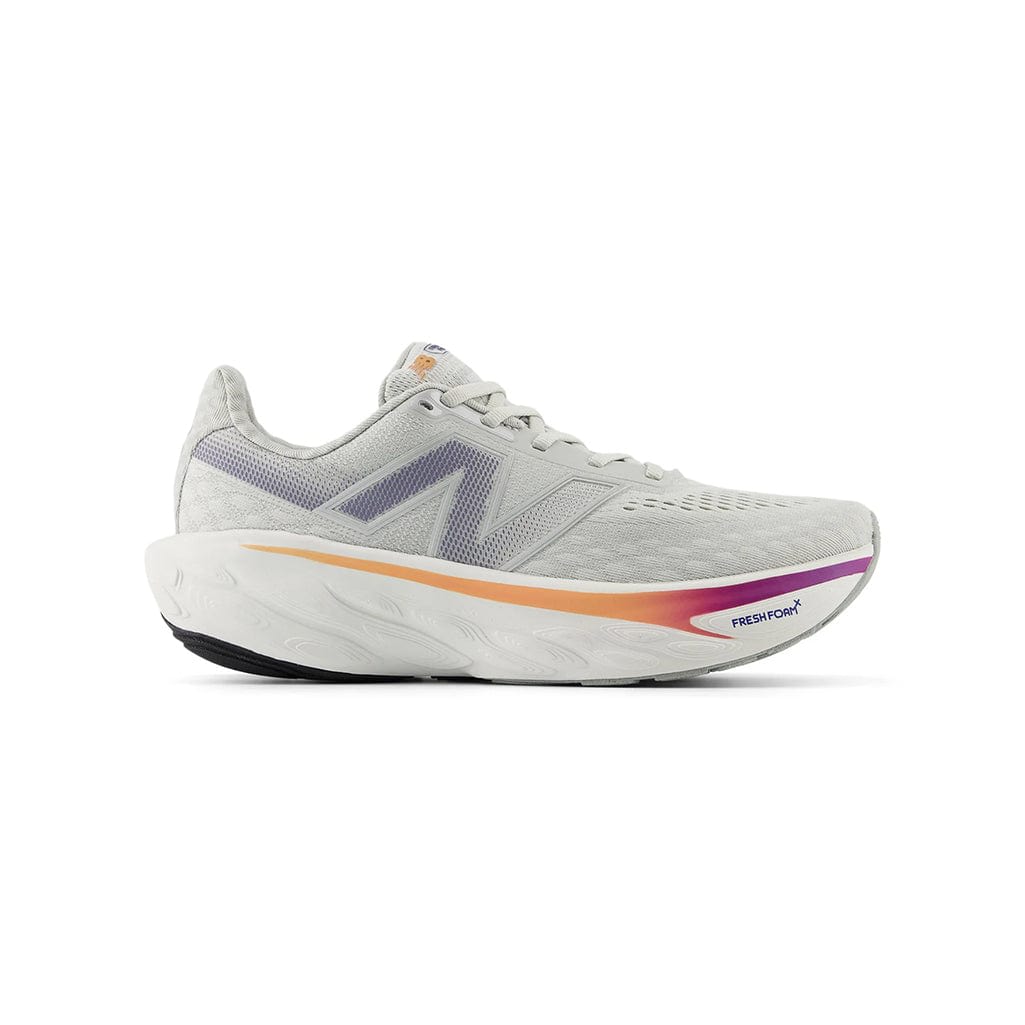
A lot of runners stick to one reliable shoe and never look back. This PureWow story starts from exactly that mindset, then flips it after one editor tested four different New Balance pairs while training and logging more than 1,000 miles.
Quick takeaway: The core lesson is not just that New Balance makes strong running shoes. It is that rotating different sneakers for different types of runs can make training feel better, smarter and more sustainable.
Why This Story Works
The article opens with a relatable confession: the editor had worn the same recommended running shoe for roughly eight years, no matter what kind of run she was doing. That changed when she was invited to run the New York City Marathon with New Balance and had to get comfortable with shoes she had never trained in before.
That setup makes the review more interesting than a basic list of sneaker specs. It is really a story about getting out of a running habit and learning why shoe rotation exists in the first place.

The point of a shoe rotation is to match the run, not force every run into the same shoe.
The Big Shift
PureWow frames the editor’s biggest surprise pretty clearly: there are real benefits to trying different shoes for different training needs. The piece suggests that once she moved beyond the one-shoe-for-everything mindset, she started to understand why runners keep separate pairs for easy miles, longer efforts, workouts and race-day use.
That idea is the real headline here. The review is less about blind brand loyalty and more about discovering that variety can improve the running experience.
What the Testing Involved
According to the article title and intro, the editor tested four pairs of New Balance sneakers and logged more than 1,000 miles in the process. That gives the write-up more credibility than a first-impression wear test because it is based on repeated use over real training miles.
It also means the conclusions are grounded in practical differences runners actually feel. A shoe can seem fine on a short jog and still be the wrong fit for a long run or speed session.
Key running takeaway: Even if you are not marathon training, the article makes a strong case for thinking in terms of roles – daily trainer, long-run shoe, workout shoe and race shoe – instead of expecting one pair to do absolutely everything.
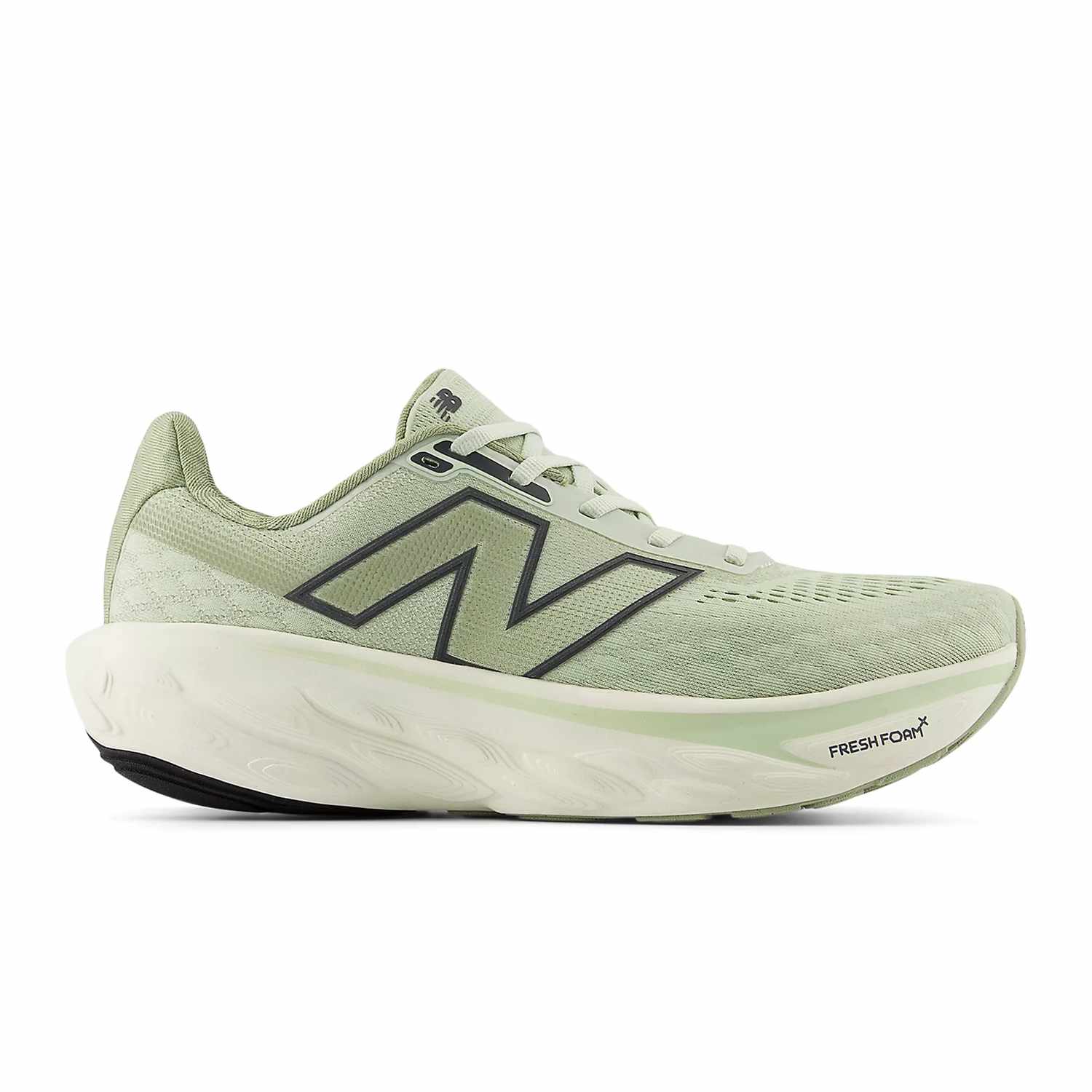
A good running review is really about use case: recovery miles, long runs, workouts or race day.
Who This Helps Most
- Runners who have been wearing the same shoe model for years and are nervous about changing.
- Anyone training for a longer race who wants to understand why shoe rotation matters.
- People curious whether New Balance has options for more than one type of run.
- Casual runners who want smarter, more comfortable training habits instead of more gear for the sake of it.