
Are Gen Z’s “Red Flags” Getting in the Way of Real Love?
This PureWow article asks a smart dating question: when does noticing red flags protect you, and when does it just become a fast way to write people off? Instead of rejecting the idea of red flags entirely, the piece argues that Gen Z may sometimes be using the term too broadly and too quickly.
Quick takeaway: Real red flags still matter, especially when they involve manipulation, aggression, addiction, poor boundaries or a lack of empathy. But the article says not every awkward moment, style choice or one time mistake deserves dealbreaker status.
The Main Argument
The writer starts by acknowledging how common red flag talk has become in modern dating. She then questions whether that habit can sometimes stop people from forming connections by encouraging them to judge too fast, especially over first impressions, appearance based assumptions or minor social missteps.
That tension is really the heart of the article. It is not saying to ignore warning signs. It is saying to separate serious behavioral patterns from ordinary human imperfections.

The point is not to lower your standards. It is to get better at telling the difference between danger and discomfort.
What Dr. Tara Says
PureWow quotes Dr. Tara, a professor of relational communication at CSU Fullerton, who says that what people label as red flags often is not actually a red flag at all. She explains that daters bring personal baggage, social expectations and subjective preferences into early interactions, which can make first reactions feel more trustworthy than they really are.
The article applies that especially to judgments based on physical appearance. Dr. Tara says this kind of snap reaction can be limiting at best and stereotype reinforcing at worst.
What Counts as Serious
The piece is careful not to flatten everything into harmless quirks. It lists examples Dr. Tara considers genuinely concerning, including controlling or manipulative behavior, poor listening, disregard for boundaries, aggression, addiction, weak communication and a lack of empathy.
It also notes that relationship history and the way someone talks about past partners can reveal something important. In other words, patterns still matter more than isolated cringe.
Most useful lens: Ask whether the behavior is a pattern, whether the person takes accountability and whether they are trying to repair harm. A one off mistake and a repeated character issue are not the same thing.
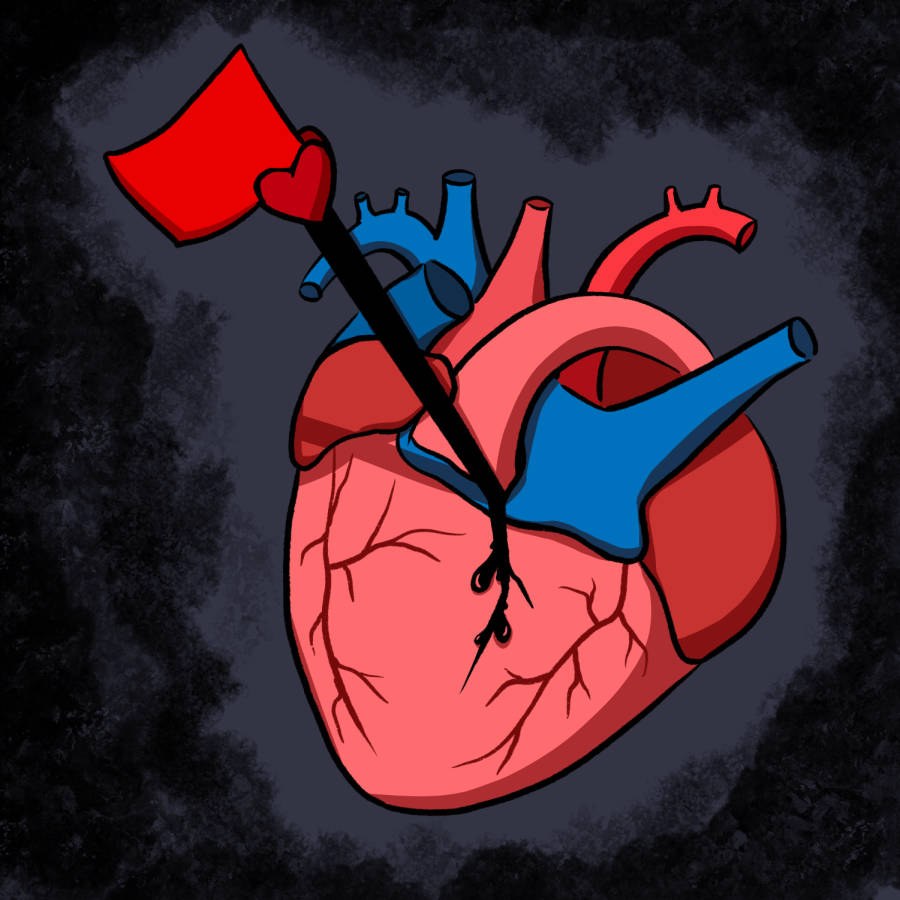
A true red flag usually shows up as a repeated pattern that harms trust, safety or respect.
Why It Resonates
What makes the article effective is that it captures a real dating era problem. People want to protect themselves, but they also risk treating every imperfect moment as proof that someone is fundamentally wrong for them.
That mindset can quietly create impossible standards. The writer argues that if we define red flags as anything that gives us the ick or clashes with our preferences, then nobody gets a real chance to be human.
Best Fit
- Daters who want to keep standards high without becoming hypercritical.
- Anyone who tends to overanalyze early dating behavior.
- People trying to distinguish real danger from ordinary incompatibility or awkwardness.
- Readers who want a more nuanced, less online view of modern relationship advice.