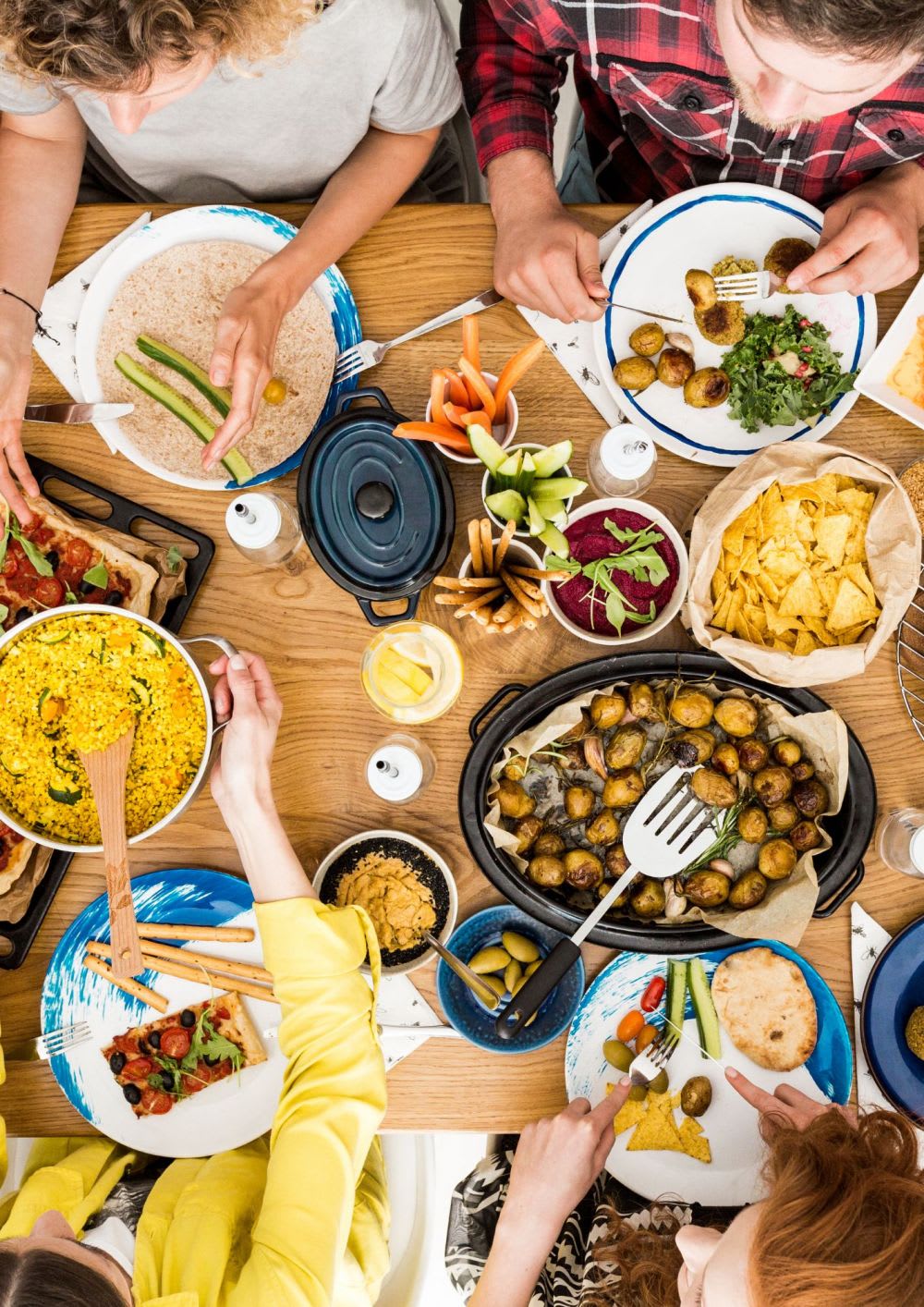
5 French Nutrition Rules More Americans Should Adopt
French eating habits often get romanticized, but the core ideas in this piece are actually simple and practical. Instead of obsessing over food rules, the article argues for a calmer approach built around pleasure, balance, quality, ritual and everyday joy.
Quick takeaway: PureWow’s expert, registered dietitian Jane Leverich, says the French approach feels healthier because it treats food as a daily pleasure rather than a moral test, with meals that are slower, simpler and rooted in sensible portions and seasonal ingredients.
Why This Feels Different
The article introduces Jane Leverich, MS, RDN, a registered dietitian and culinary nutrition expert, and frames the whole piece around her return to France with a more trained eye for food culture. Her main argument is that French eating tends to feel easier because it blends nutrition and pleasure instead of setting them up as opposites.
She contrasts that with American food culture, which she describes as more likely to turn eating into a math problem full of restriction, counting and trend-chasing. The result, in her view, is that pleasure often disappears just when it should be part of the point.
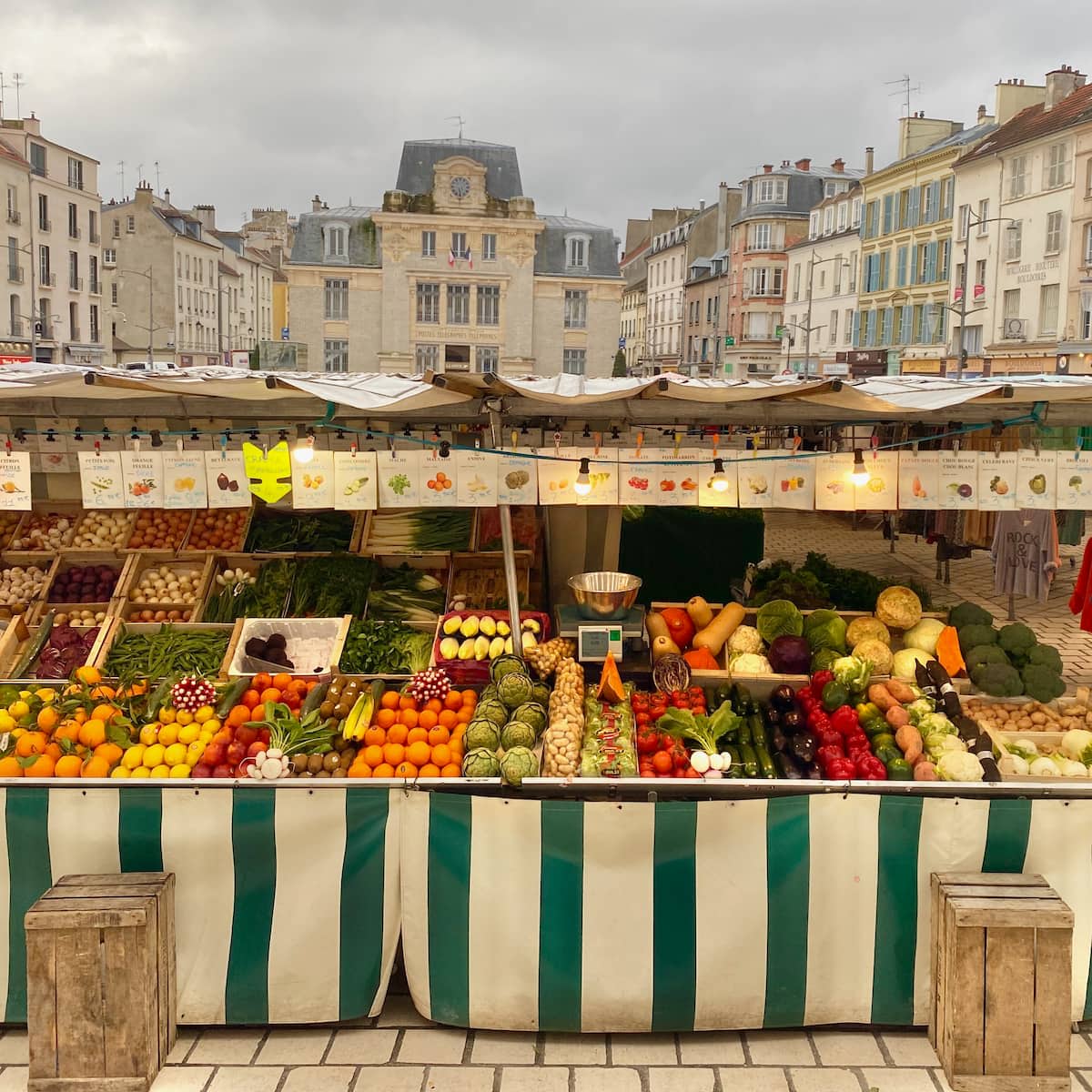
Seasonal ingredients are a big part of the slower, simpler food mindset described in the article.
1. Plaisir: Enjoy Food Without Guilt
The first rule is plaisir, or pleasure without guilt. Leverich says that when people give themselves permission to enjoy food, they often feel more satisfied and less likely to overdo it later.
That idea matters because it treats satisfaction as part of nutrition, not something separate from it. In practice, it means you stop treating every indulgence like a moral failure.
2. Equilibre: Choose Balance Over Restriction
The second principle is équilibre, or balance over restriction. Leverich argues that health is not found in eliminating foods or chasing perfection, but in meals that nourish your body, satisfy cravings and fit naturally into your life.
This is probably the most direct challenge to all-or-nothing diet thinking. The point is not to eat perfectly. It is to eat in a way you can actually sustain.
Mindset shift: One of the strongest ideas in the piece is that balance is not a compromise. It is the actual goal.
3. Qualite: Prioritize Quality Over Quantity
The third rule is qualité, meaning quality over quantity. Leverich says fresh, seasonal and thoughtfully prepared ingredients paired with intention and enjoyment create a more sustainable way to eat.
This does not have to mean expensive or elaborate. It can simply mean choosing foods that feel genuinely nourishing and worth paying attention to.

The article treats mealtime as an experience, not just a pause between tasks.
4. Rituel: Make Meals a Ritual
The fourth principle is rituel, or making meals a ritual. Leverich says meals do not have to be rushed or stressful, and that slowing down, savoring each bite and building small intentional habits can nourish both the body and overall well-being.
This is a direct rebuke to the sad desk lunch. It suggests that how you eat matters almost as much as what you eat.
5. Joie de Vivre: Let Food Be Part of a Joyful Life
The last rule is joie de vivre, which the article describes as bringing delight into life through food. Leverich says nourishment is not only about health, but also about enjoyment, celebration and the small pleasures that make life feel fuller.
Her examples are intentionally everyday: sharing a favorite dish with friends, enjoying a well-made coffee or taking a moment to really notice flavors. The point is that joyful eating does not have to be extravagant to be meaningful.

Small pleasures are part of the nutrition philosophy here, not a break from it.
How to Apply It
- Slow down one meal a day instead of eating while multitasking.
- Choose foods you genuinely enjoy instead of defaulting to the most “virtuous” option.
- Add seasonal ingredients when possible to make meals feel fresher and more satisfying.
- Think in terms of balance and routine, not punishment and perfection.