
The best winter boots do more than look good with a puffer coat. They need to keep your feet warm, dry and steady in snow, slush and freezing temperatures while still fitting the way you actually live, whether that means commuting, walking the dog or trudging through deep winter weather.
Quick takeaway: According to PureWow’s testing and research, the three non-negotiables are traction, waterproof or water-resistant materials and insulation, but the right choice still depends on how much snow, slush and outdoor time you are actually dealing with.
What Makes a Winter Boot Truly Warm?
The PureWow guide says winter boots should check a few boxes across the board: strong sole traction, waterproof or water-resistant construction and insulation that keeps your feet cozy in cold conditions.
The article also stresses that lifestyle matters. Stylist Ashlyn Greer notes that if you are regularly trudging through snow, a merely water-resistant boot may not hold up, and a fully waterproof option is the smarter investment.
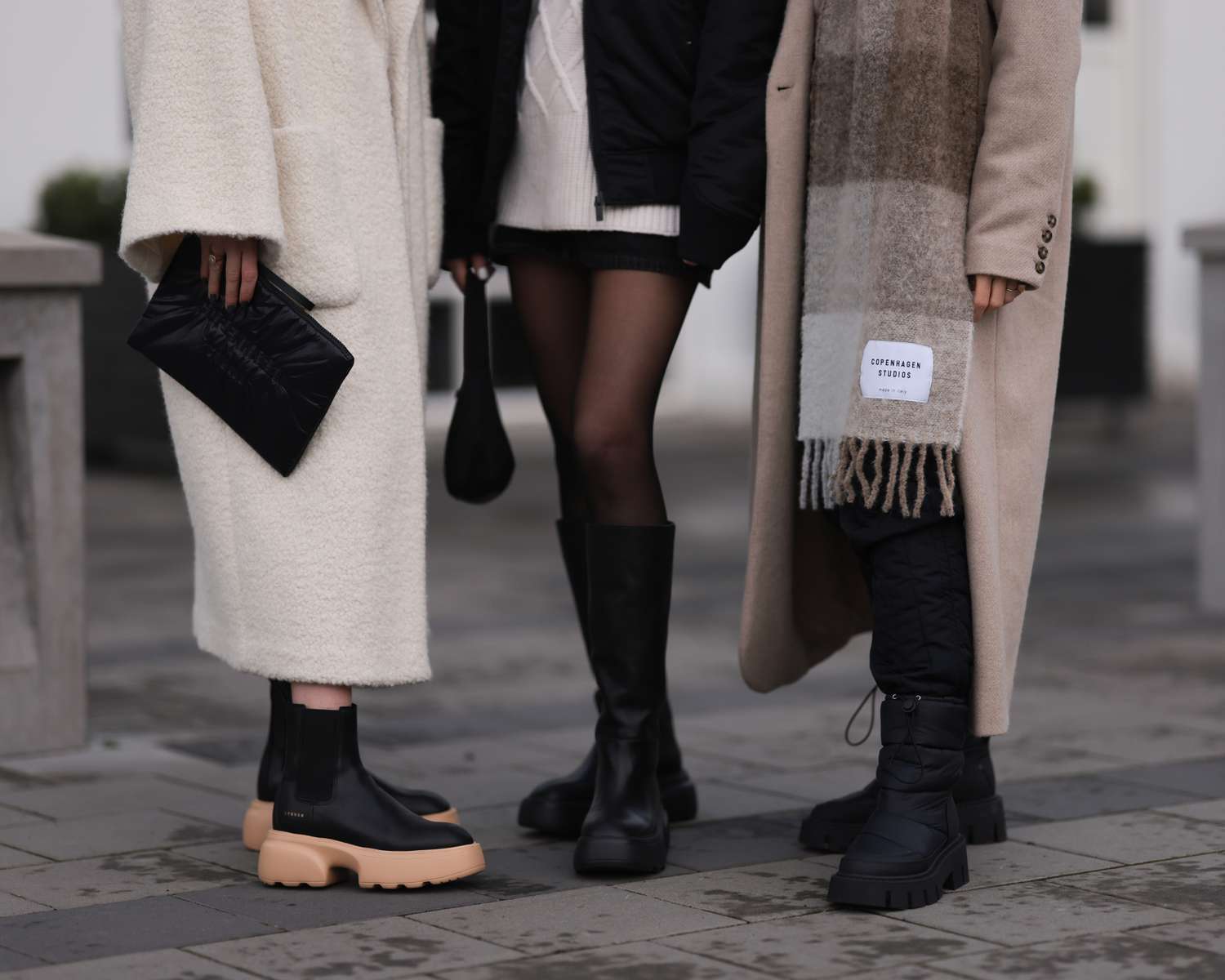
Good winter boots balance warmth, grip and real-life wearability.
1. Waterproof Matters More Than You Think
One of the clearest takeaways from the article is that waterproofing becomes essential if you spend real time outside in snow and slush. Water-resistant materials might be fine for quick trips into the backyard, but they are not the same thing as full weather protection.
That distinction matters because wet feet make even an insulated boot feel miserable fast. If you live somewhere with repeated snowstorms, melting sidewalks or icy puddles, waterproof construction should be high on your list.
2. Traction Is a Comfort Feature Too
Warmth gets most of the attention, but grip is just as important. A boot with poor traction can make every winter errand feel tense, while a well-designed sole makes cold-weather walking much easier and safer.
This is why the best pairs are not only insulated. They are also built to handle slick sidewalks, wet pavement and uneven snowy ground without making you feel unstable.
3. Insulation Should Match Your Climate
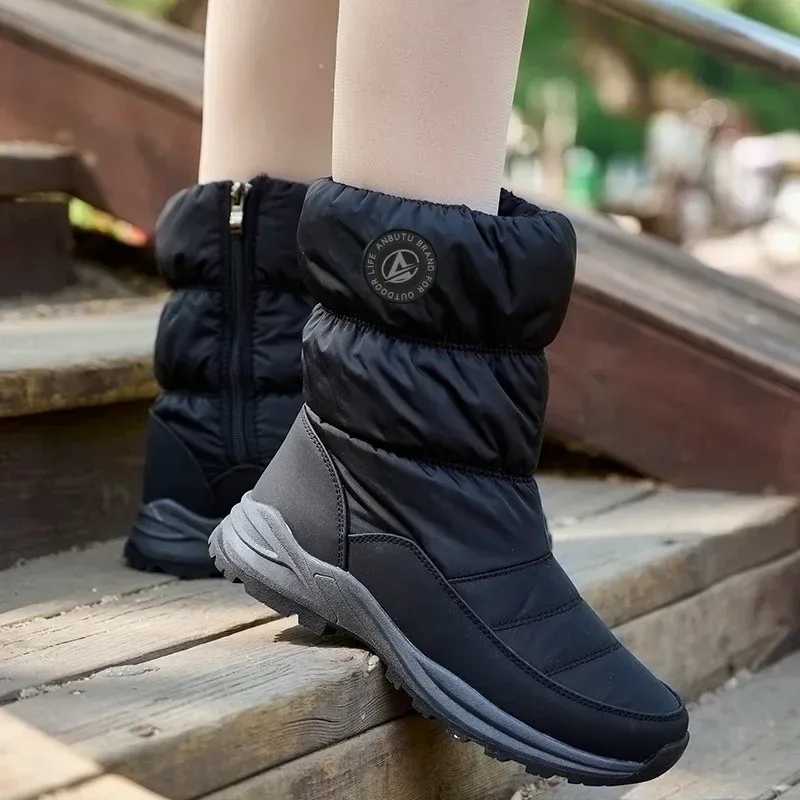
The right amount of insulation depends on whether your winter is chilly, snowy or brutally cold.
Not every winter boot needs expedition-level warmth. If your winter consists of quick errands and cold-but-dry days, a lighter insulated pair may be more practical than something bulky.
But if you deal with severe cold, you want insulation that can handle long outdoor stretches without sacrificing circulation or comfort.
Shopping tip: A winter boot that matches your real routine will always outperform a trendier pair that is too light for your climate or too heavy for your daily life.
4. Classic Styles Still Earn Their Place
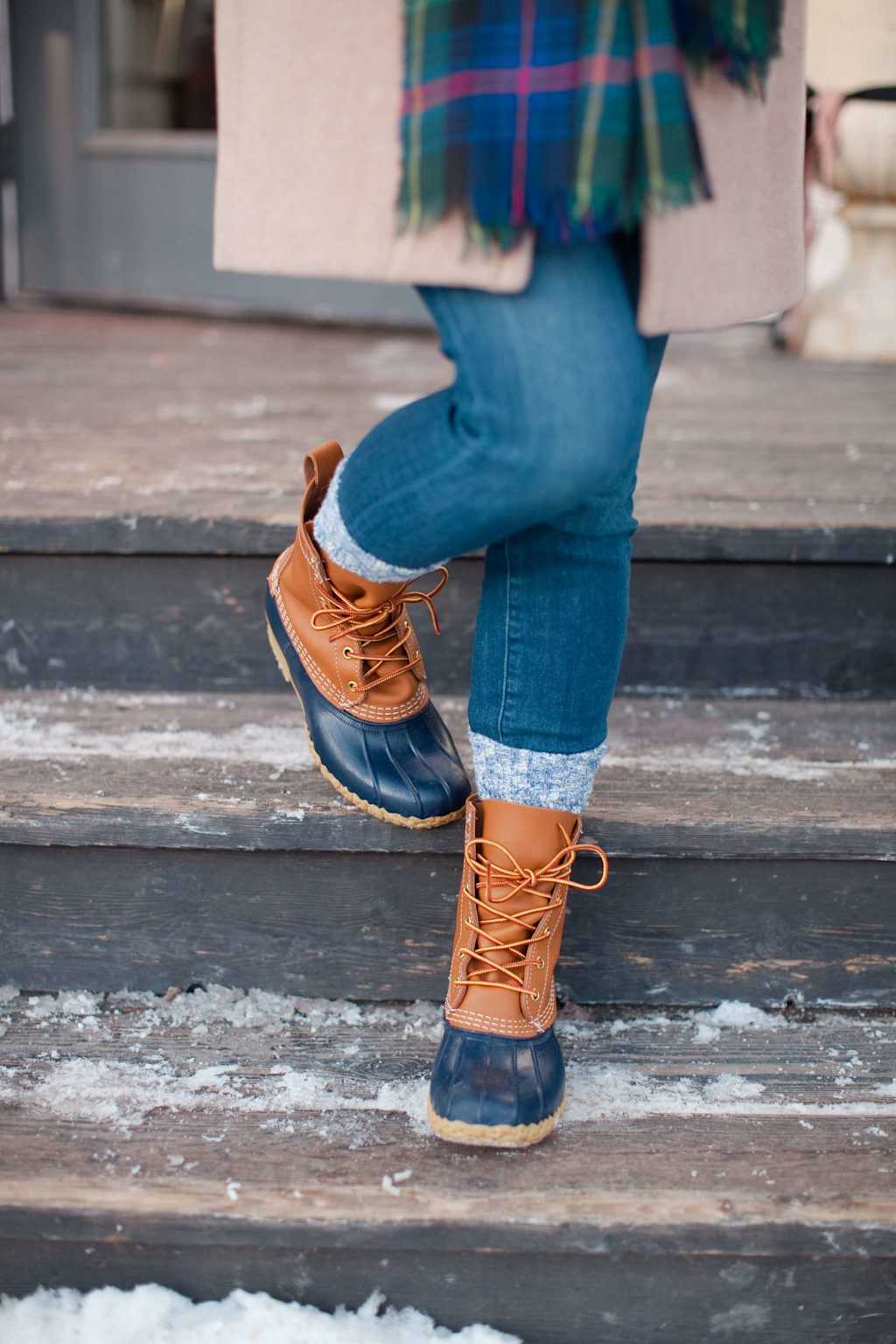
Bean-style boots remain popular because they combine practicality with easy everyday styling.
PureWow specifically names classic Bean boots at $150 as one of the dependable options worth considering. That makes sense because timeless winter boots usually stick around for a reason: they are functional, durable and easy to wear.
A heritage-style boot is often the best choice for people who want something versatile enough for casual winter errands without looking overly technical.
5. Heavy-Duty Snow Boots Are Worth It for Real Winter

More rugged snow boots make sense when winter weather is constant and messy.
The article also points to Sorel’s Joan of Arctic boots, listed at $240, as another standout choice for cold and slushy conditions. This type of boot is designed for people who need serious winter performance, not just seasonal styling.
If snow is a regular part of your life, a more rugged silhouette with strong waterproofing and insulation is often worth the extra weight.
How to Choose the Right Pair
- Choose full waterproofing if you spend long periods in snow or slush.
- Prioritize traction if sidewalks and roads get slick where you live.
- Match insulation to your climate instead of assuming more is always better.
- Decide whether you need a quick errand boot or a true all-weather winter boot.
Bottom Line
The best warm winter boots are the ones that handle your version of winter, not someone else’s. If your pair keeps you dry, steady and insulated in the conditions you actually face, it is doing its job.
That is why the smartest buy is not always the lightest, cutest or most expensive boot. It is the one built for your weather and your routine.